
Navigating daily life, especially as we age, brings unique considerations for personal safety and well-being. For many, the comfort and familiarity of home are paramount, yet statistics show that falls are a leading cause of injury among older adults. At Haven Health, we understand that maintaining independence and peace of mind in your own living space is incredibly important, and a crucial step in achieving this is understanding how to prevent falls before they happen.
Enhancing Your Home Environment for Safety
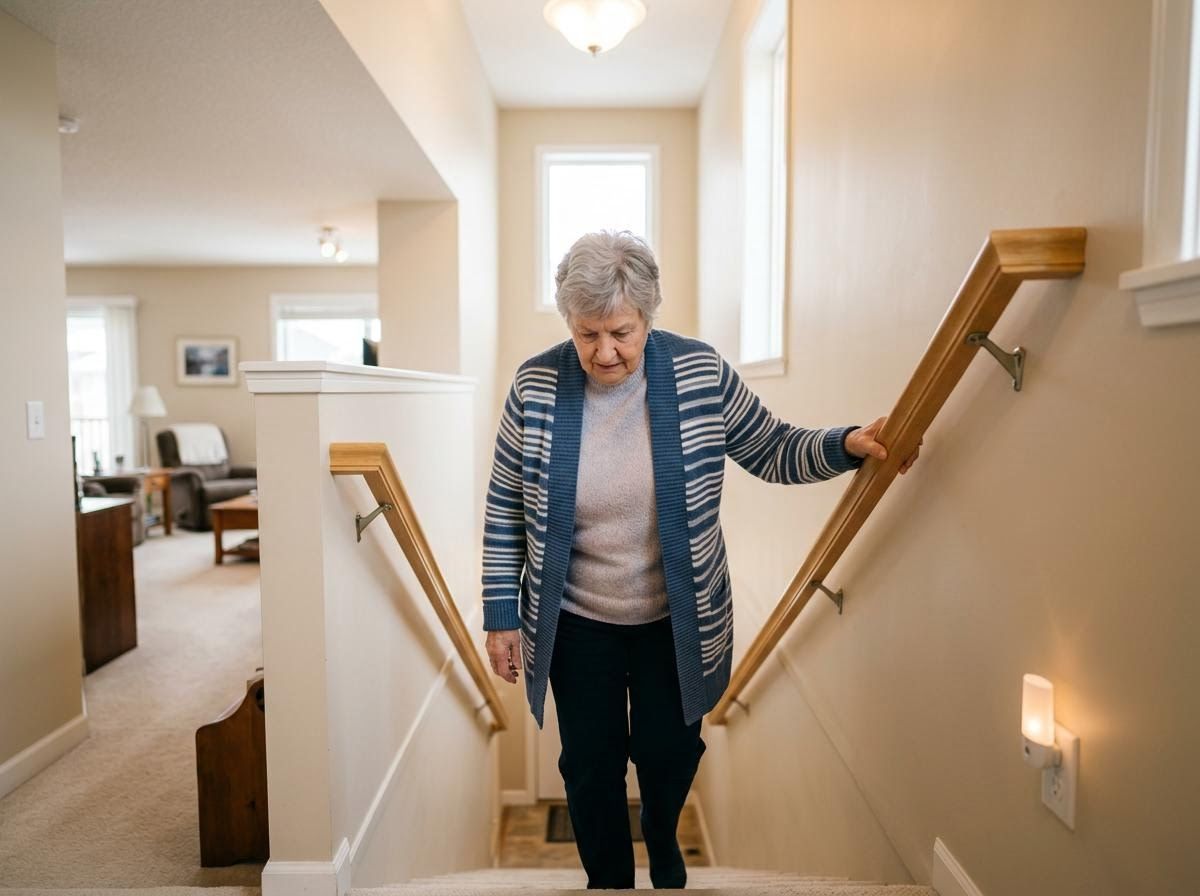
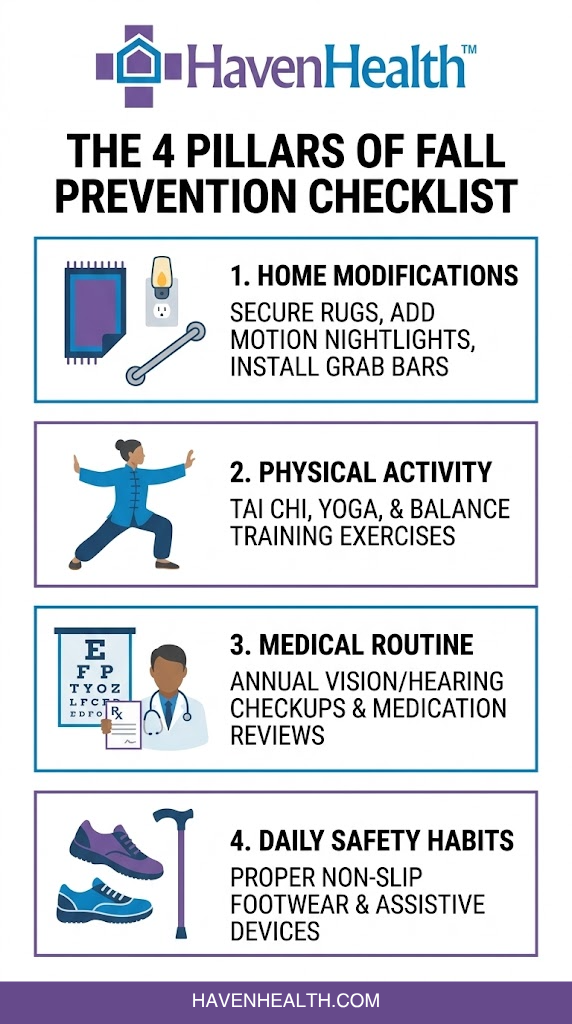
Your home should be a sanctuary, not a source of concern. Simple adjustments can significantly reduce fall risks. Start by ensuring all pathways are clear of clutter, electrical cords, and anything that could be a tripping hazard. Adequate lighting is also vital; install brighter bulbs, especially in stairwells, hallways, and bathrooms, and consider nightlights in bedrooms and bathrooms. Secure all rugs with non-slip backing or remove them entirely. Installing grab bars in the bathroom, particularly near the toilet and in the shower or tub, provides essential support. Handrails on both sides of staircases are also highly recommended to offer stability when ascending or descending.
Prioritizing Personal Health and Habits
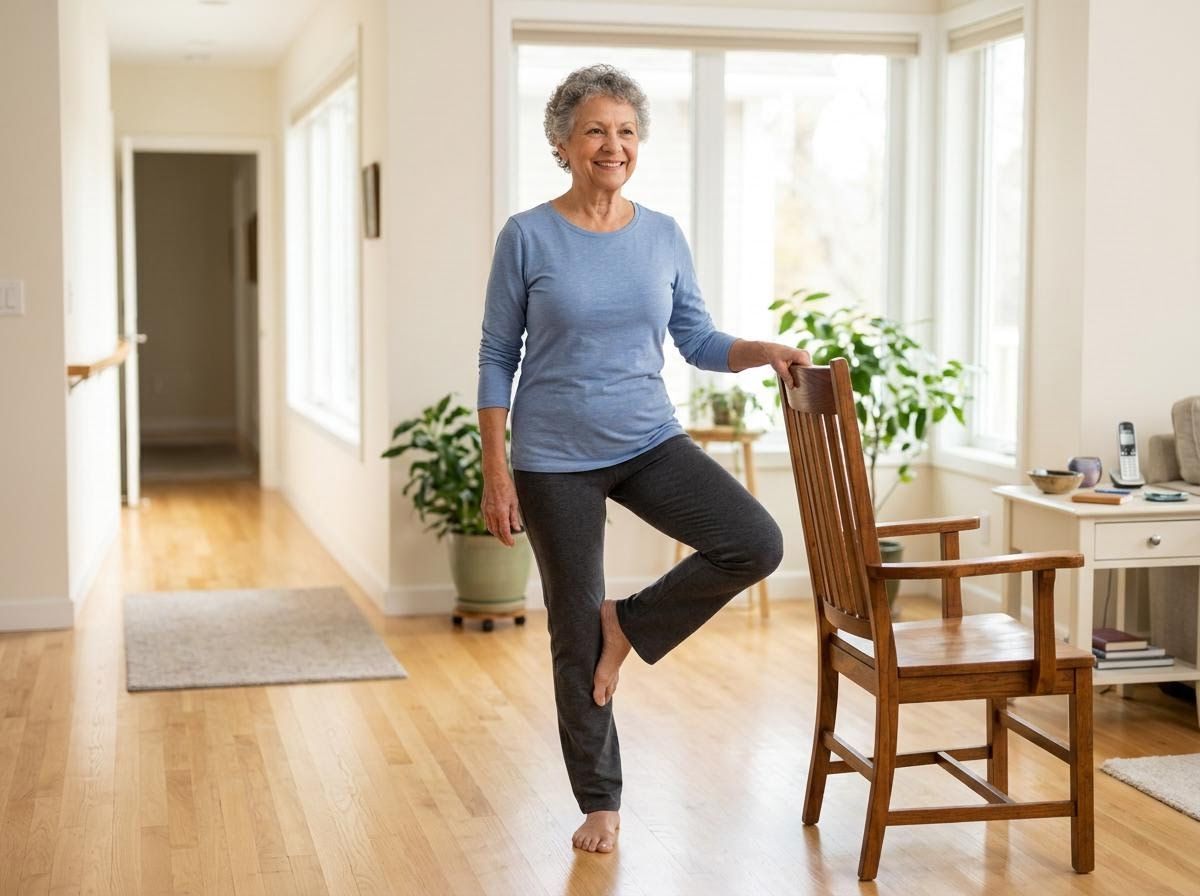
Beyond your physical environment, your personal health and daily habits play a significant role in fall prevention. Regular exercise, particularly activities that improve balance and strength, like Tai Chi or gentle yoga, can make a substantial difference. It's also important to regularly review your medications with your doctor or pharmacist. Some medications, or combinations thereof, can cause dizziness or drowsiness, increasing fall risk. Wearing supportive, well-fitting shoes with non-slip soles, even at home, can help maintain stability. Additionally, schedule regular vision and hearing check-ups, as impaired senses can affect your balance and awareness of your surroundings.
Proactive Planning and Support Systems
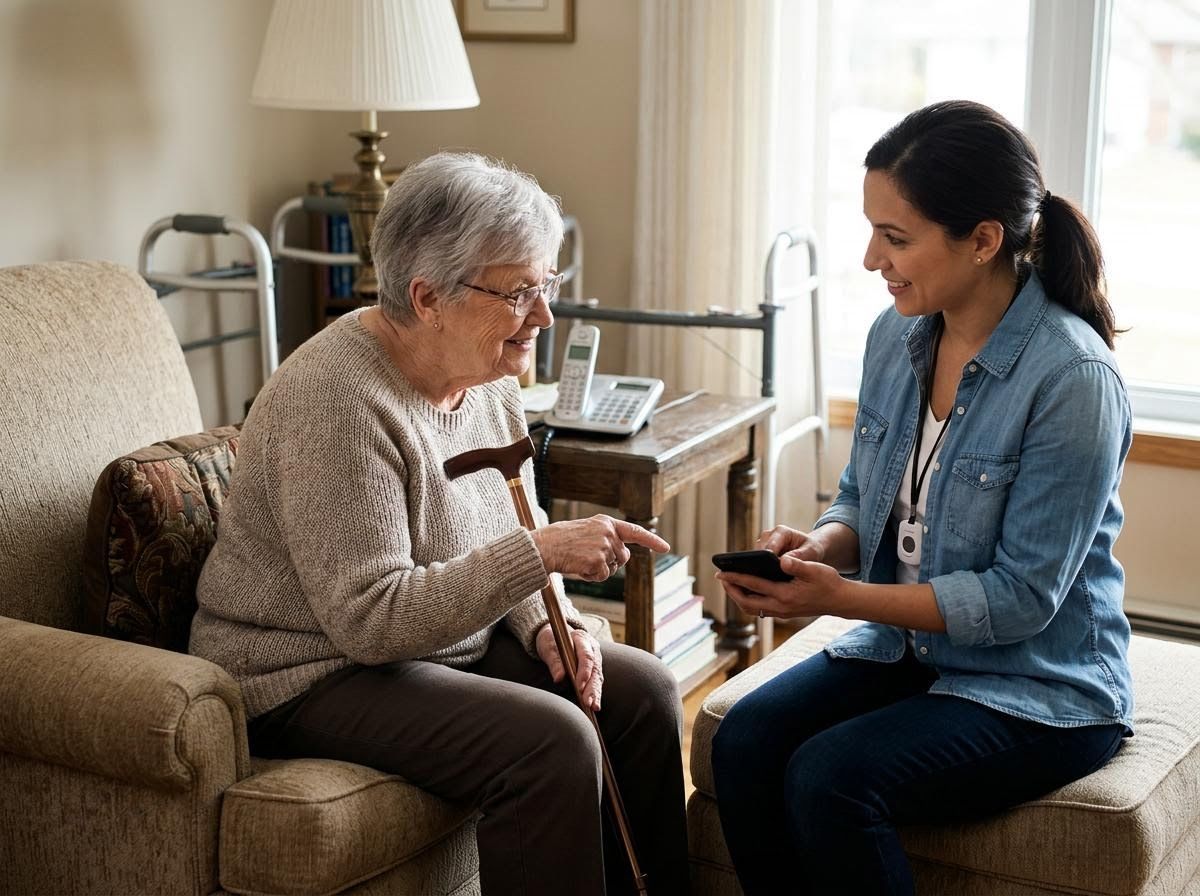
Even with the best preventative measures, it's wise to have a plan in place. Consider having a phone readily accessible in areas where falls might occur, or explore wearable alert devices that can connect you to help immediately. Discuss fall prevention strategies with family members or caregivers, ensuring they are aware of any potential hazards in your home and know how to assist you if needed. Assistive devices, such as walkers or canes, when prescribed by a healthcare professional, can provide additional support and confidence, allowing you to move more securely throughout your home.
Taking proactive steps to prevent falls is a powerful way to safeguard your independence and enjoy the comfort of your home with confidence. By addressing both your environment and your personal habits, you can significantly reduce risks and enhance your overall well-being. At Haven Health, we believe in empowering individuals to live their fullest lives, and understanding how to create a safer home is a cornerstone of that philosophy. To learn more about how we support health and safety in the home, please explore our resources on comprehensive in-home care solutions.